
 86-752-2520067


These two products are essential accessories and tools in baking, but how do we differentiate them and use them correctly? We'll detail the key differences between cake bases and cake stands so you can make an informed choice for every baking project.
For baking lovers, home bakers, and professional pastry chefs, it's not easy to choose between a cake base and a cake stand. Even experienced bakers can make wrong choices.
These two useful baking tools look the same to people who don’t know them well. At first glance, you may think they can be used instead of each other because both hold cakes. But their different designs, structures and functions make them good for totally different jobs.
Picking the right one is very important. It decides if your cake stays whole when you move it, keeps its shape when you show it, and surprises your guests. Or if it will sag, change shape, or even fall apart.
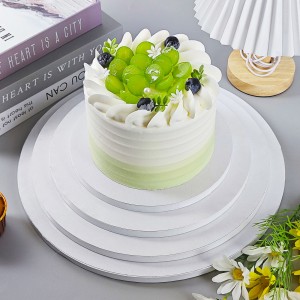
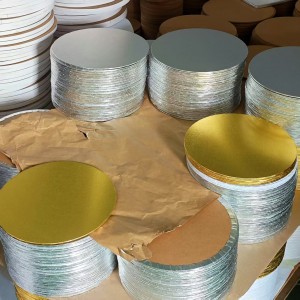
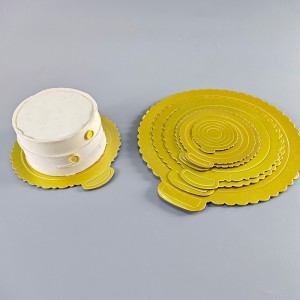
Measure First: The Basic Guideline
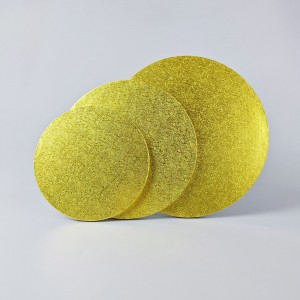
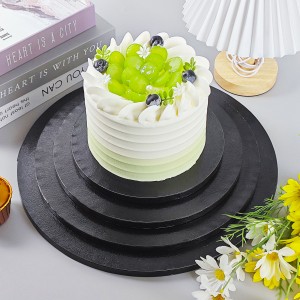
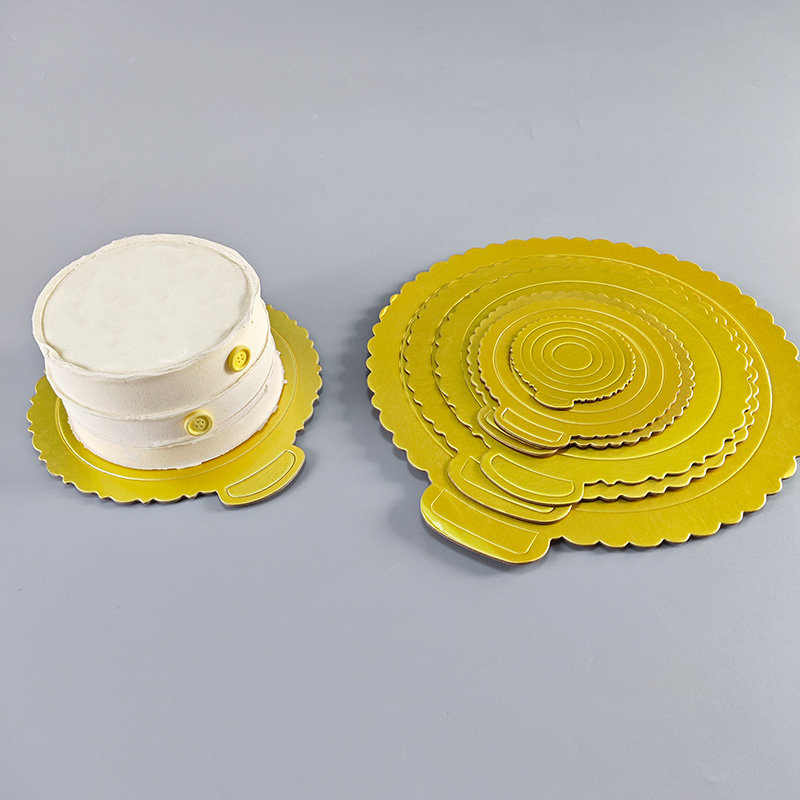
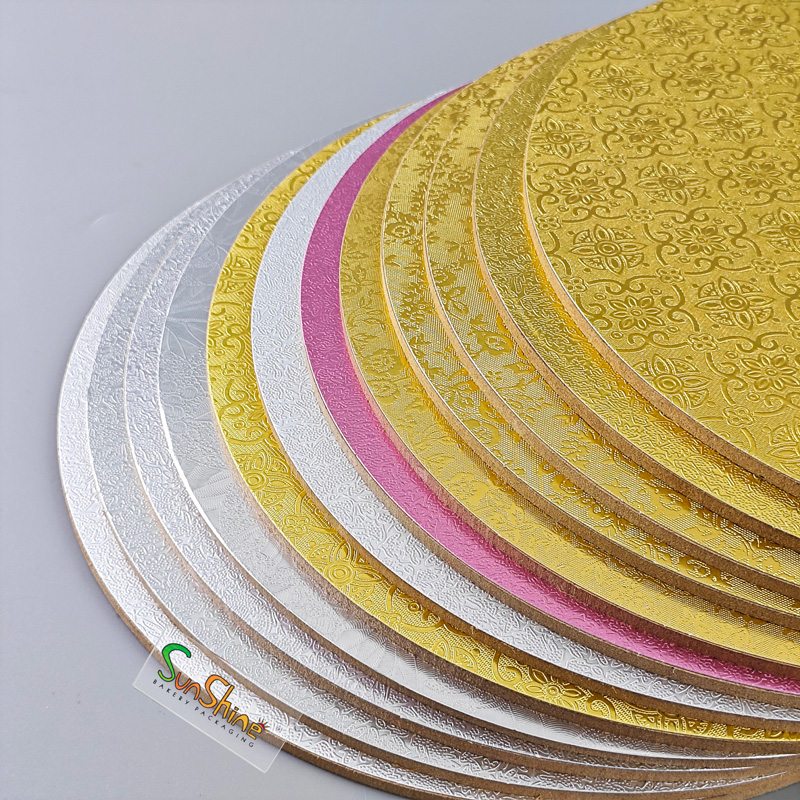
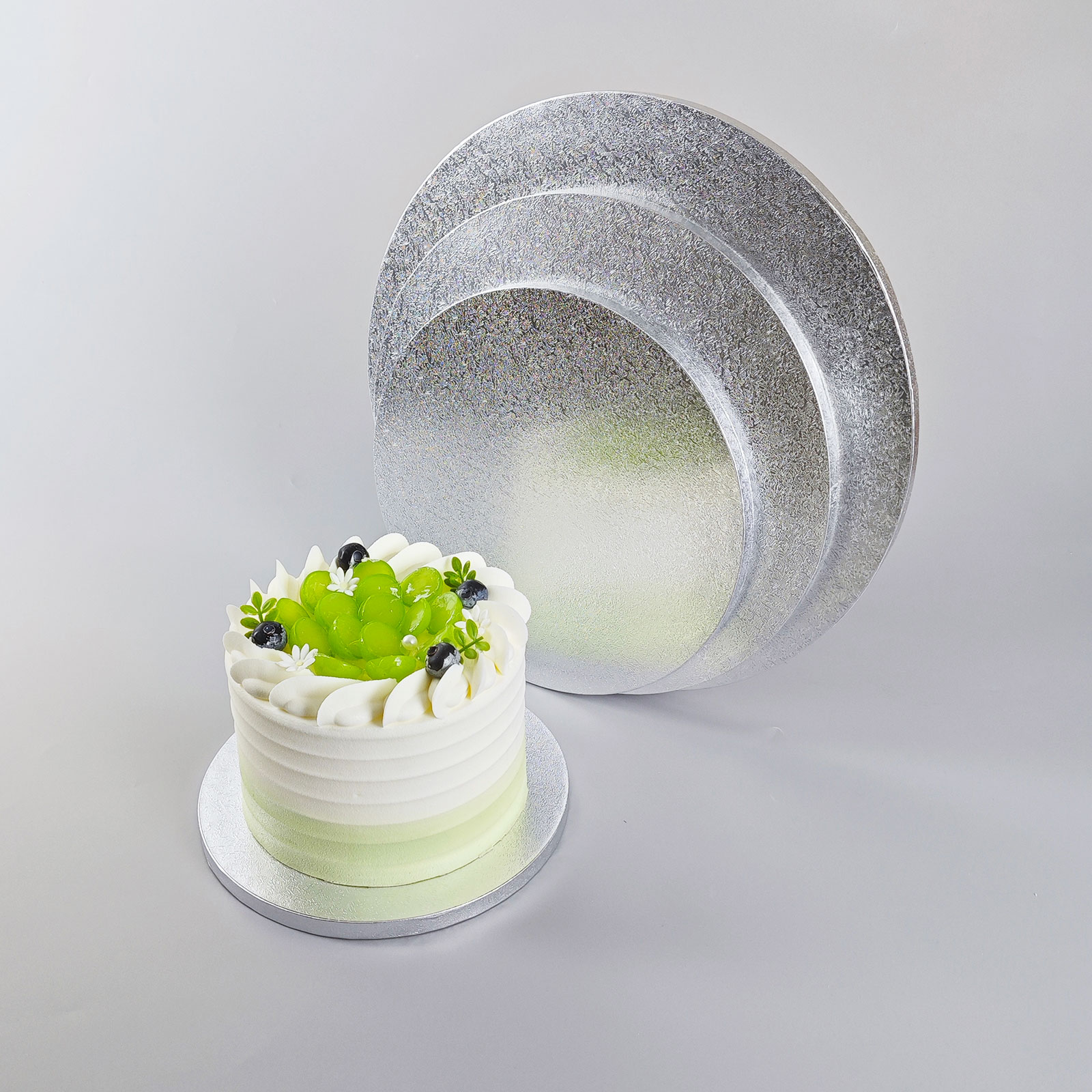
The biggest difference between cake bases and cake stands is their thickness. This directly affects how strong they are and how much weight they can hold. Cake bases are very thin. Usually they’re 3-5mm thick—sometimes even 1mm, 2mm, or 2.5mm. They’re light, easy to carry, and some customers like their flexibility. But they aren’t very strong. They’re often made of single-layer cardboard, stiff cardboard, thin corrugated cardboard, foam, acrylic, or wood. They’re great for light cakes, like single-layer butter cakes, 6-inch cheesecakes, muffins, or individual desserts. You can also use them to separate cake layers (so fillings don’t leak and layers don’t move). Some customers even punch holes in them. But cake bases can bend or sag under pressure. So they aren’t good for multi-layer or heavy cakes. That’s why some customers choose acrylic or wood instead of grey cardboard—even if those are only 3mm thick. On the other hand, cake stands are made for maximum strength and nice edge decoration. Their edges are 1.2cm wide, so you can add ribbons, strips, or even rhinestone strips. Some bakers pick 12-15mm thick stands—3 to 5 times thicker than regular cake bases. For more demanding needs, we offer 3cm thick stands too. Cake stands are made of high-density compressed corrugated cardboard, foam cores, or wood composites. This strong structure lets them hold heavy, fancy cakes: three-tier wedding cakes, 5kg+ fruitcakes, or cakes with fondant sculptures, sugar flowers, or candies. Unlike cake bases, cake stands spread weight evenly. They won’t change shape or sag, even with long use. They’re perfect for cakes that need to stay upright during transport, long-term display (like in bakery windows), or when you need high stability. The corrugated material is hollow inside, so we can make a hole in the center if you need it.
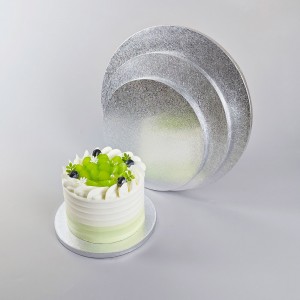
2. Material Composition and Food Safety
The most common material for cake bases is food-grade cardboard. It’s usually covered with a PET film to resist water and grease.
Cake drums use thicker and stronger materials to be more durable. Besides thickness, convenience and how much weight they can hold are also important.

3. Ideal Use Scenarios
Knowing when to use a cake base or a cake drum is key for great baking. Let’s look at their best uses:
When to Choose a Cake Base:
Single-Layer Cakes: Small or medium cakes (6-8 inches) with simple decorations. Pick 1.5mm or 2mm thickness.
Individually Wrapped Desserts: Cupcakes, mini cakes, or small treats that don’t need much support. 1mm thickness is enough.
Cake Layer Dividers: Use to separate cake layers. This stops fillings from leaking or layers from moving. Dividers need to be smooth and waterproof/oil-resistant on both sides.
Boxed Shipping: They’re light, so they fit easily into bakery boxes without adding extra bulk. Choose a stable cake base that matches your product size.
When to Choose a Cake Drum:
Multi-Tiered Cakes: Wedding cakes, anniversary cakes, or celebration cakes with 2+ tiers. Best to pick a 14-inch or larger wooden cake drum, or one thicker than 12mm.
Heavier/Denser Cakes: Like fruit cakes (they need strong support to stay intact).
The advantages are quite practical:
Stable and can bear weight: Whether it's a multi-layer cake, a shaped cake, or a heavy sponge cake covered with thick fondant, it won't bend or deform when placed on it, and the supporting force is very reliable;
Waterproof and resistant to freezing: It's fine to store it in the refrigerator for cooling, and it can prevent moisture from seeping in, which is perfect for pre-made fondant cakes.
However, there are also disadvantages:
It's much more expensive than cardboard;
It can't be naturally decomposed and is not as environmentally friendly;
It's difficult to cut, and only a manual knife or a serrated blade can be used to cut smoothly.
This type of tray is suitable for multi-layer wedding cakes, all-fondant cakes, large-shaped cakes, and all works that require strong stability.



Post time: Dec-12-2025